
On Monday, October 19, 2026, Calgarians and all Albertans have the opportunity to make their voices heard at the polls!
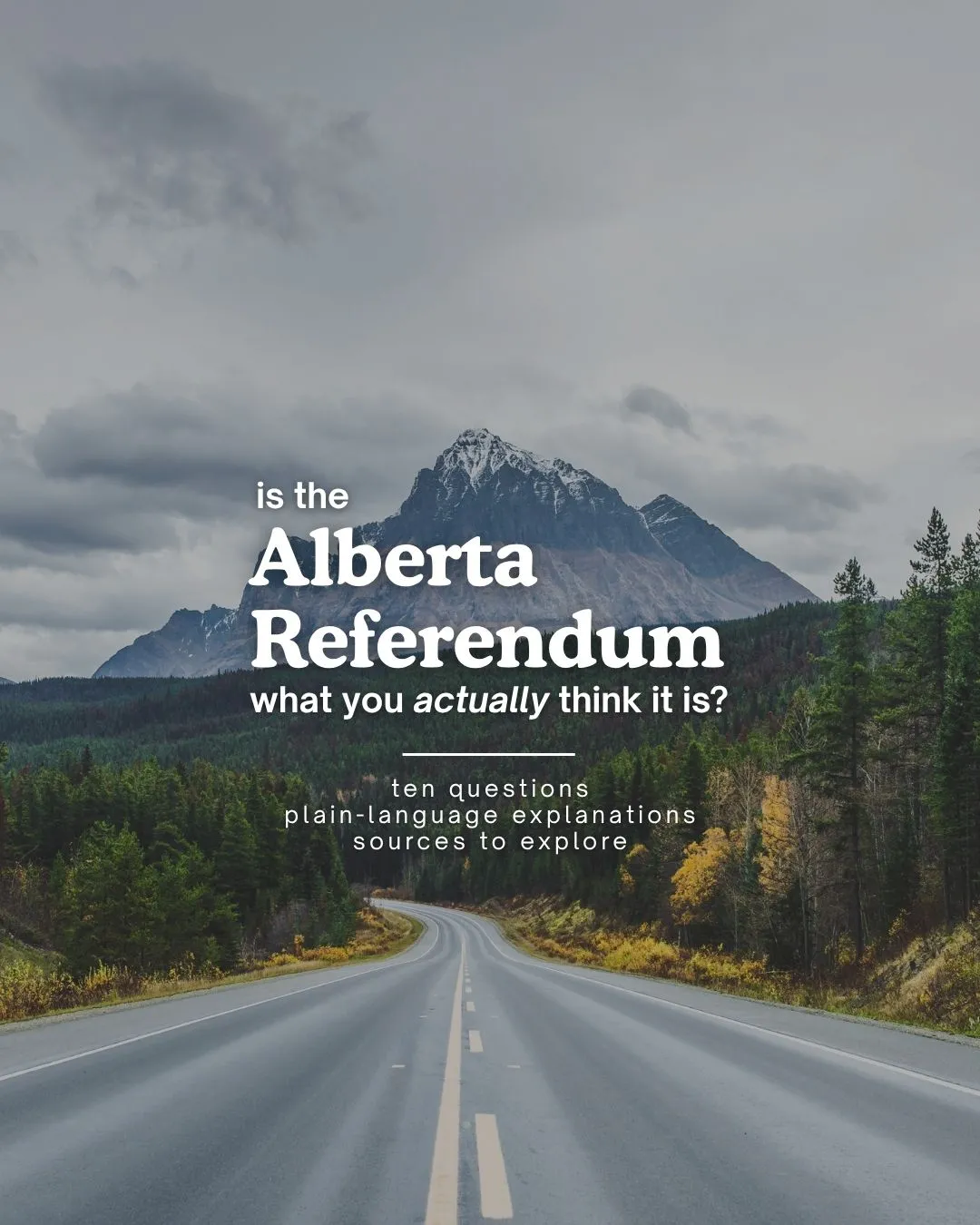
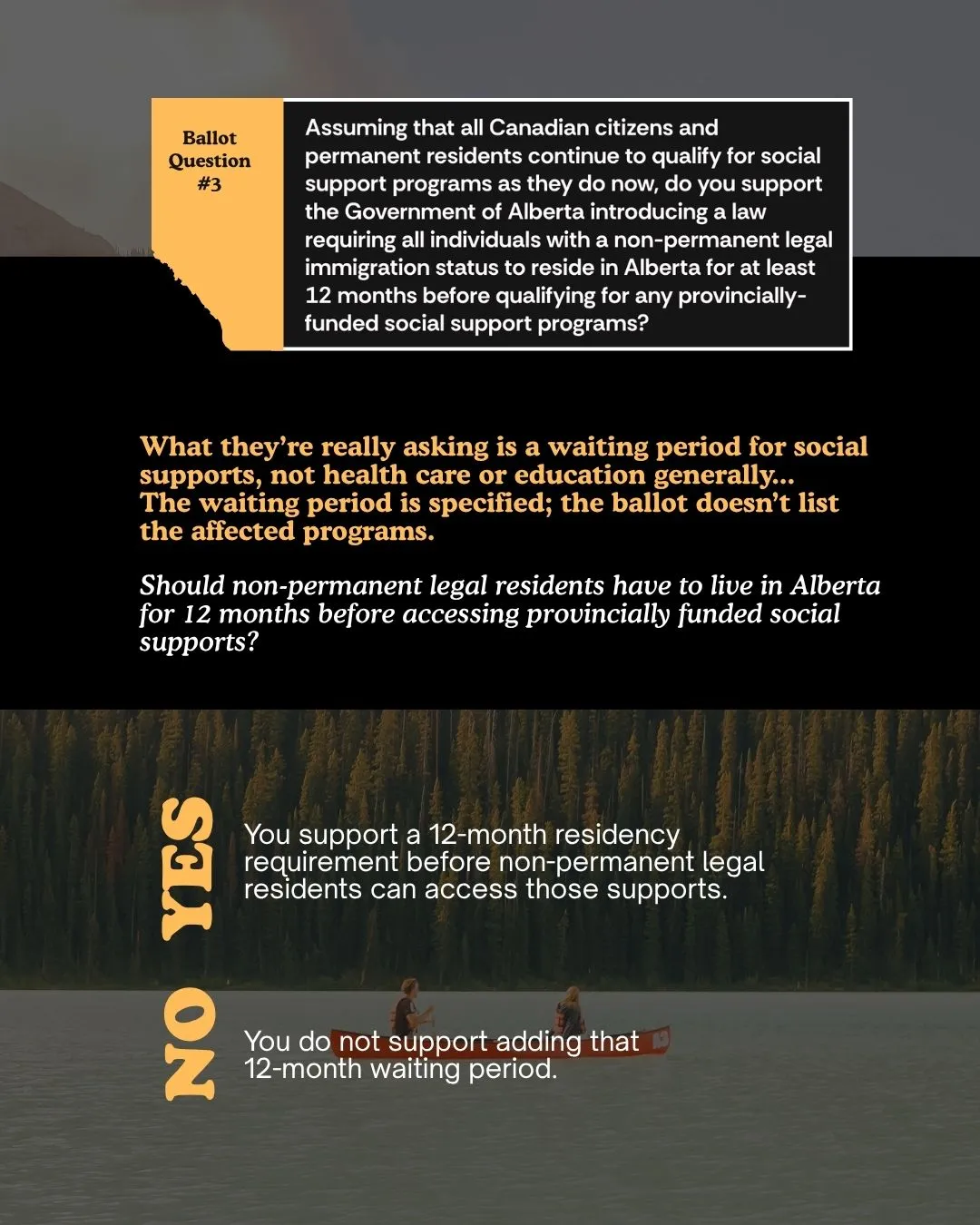
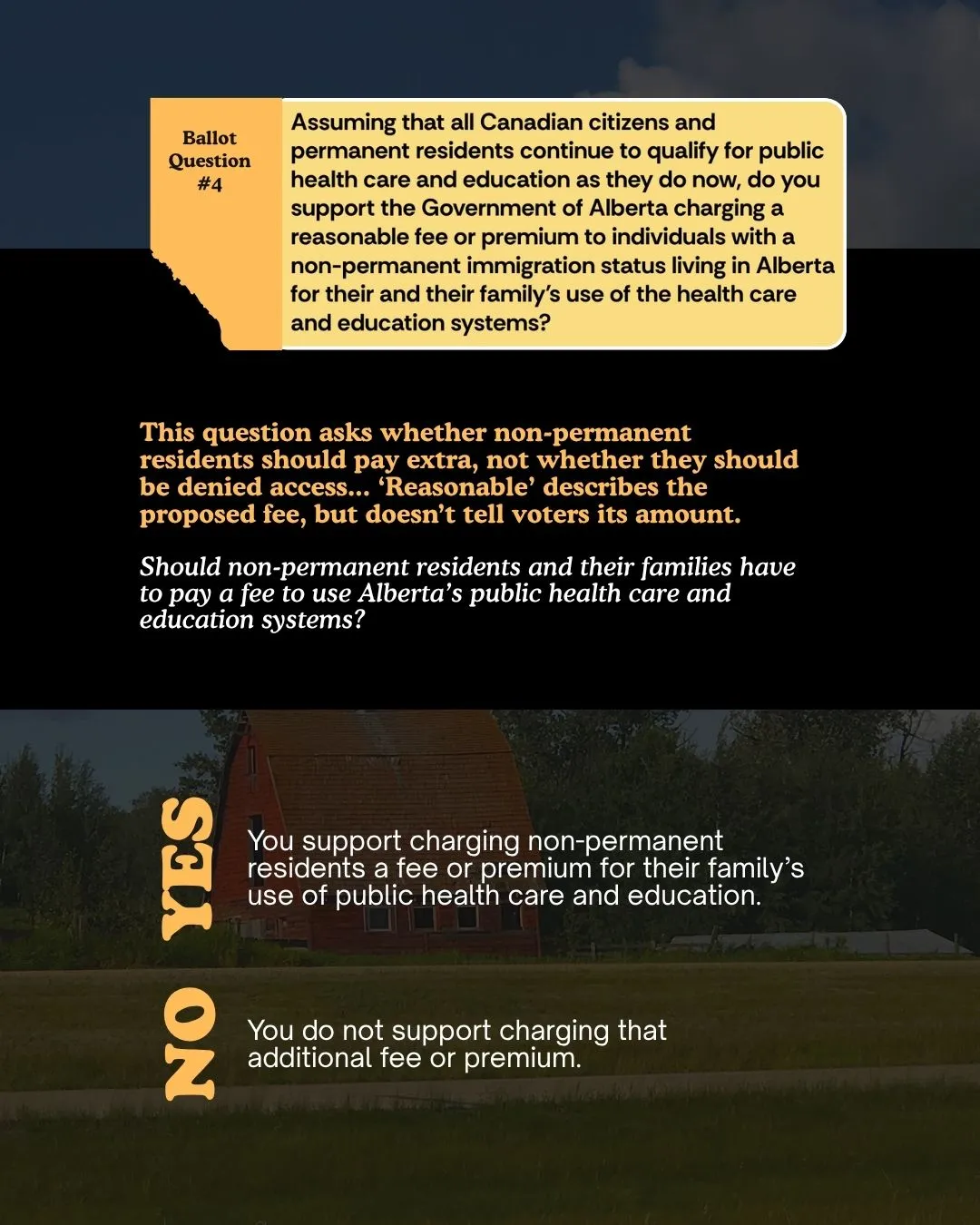
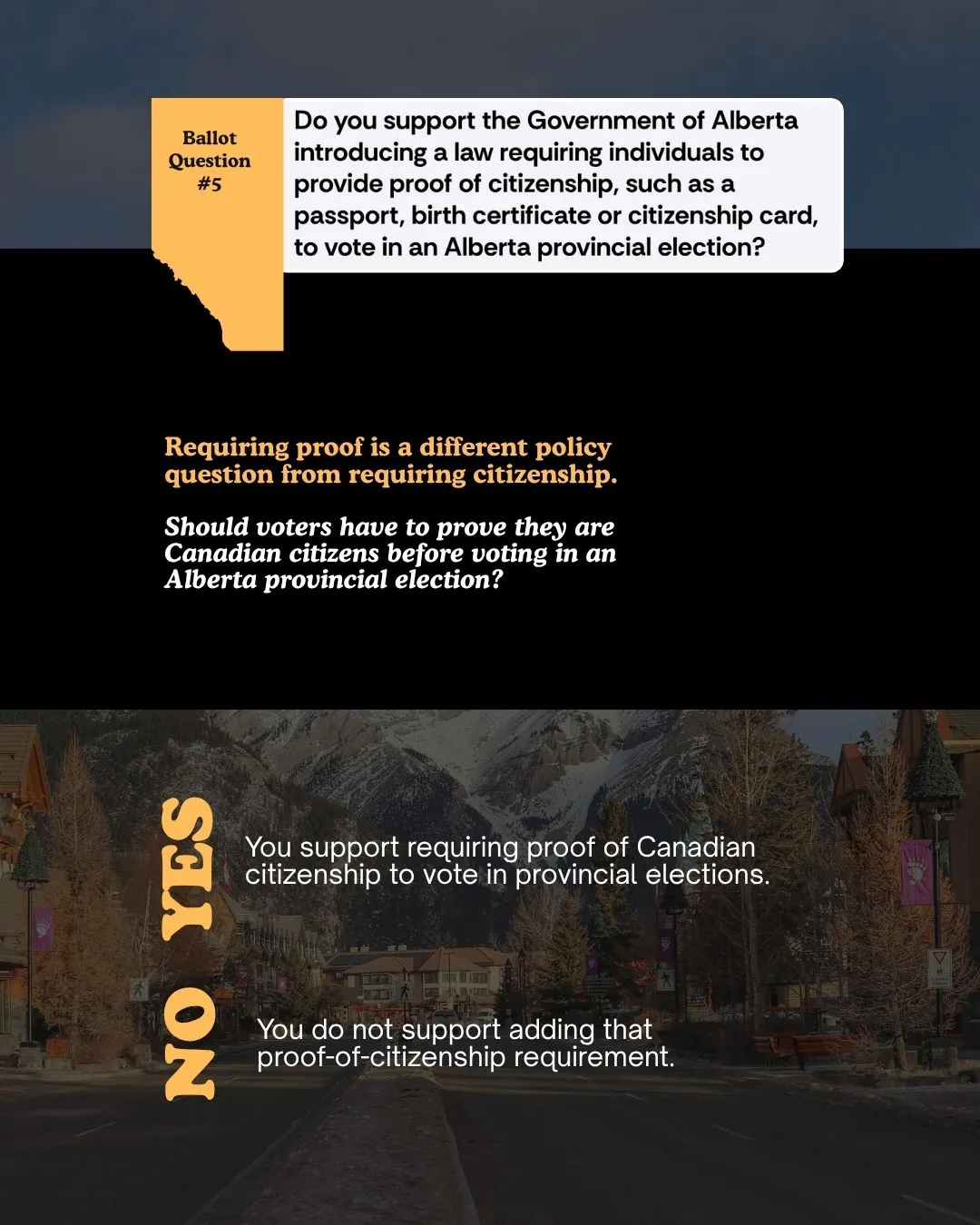
This time, instead of voting for a candidate or political party, you’re voting on specific questions presented on the ballot. For Alberta’s 2026 Referendum, that means 10 questions, and the interpretation of each question matters.
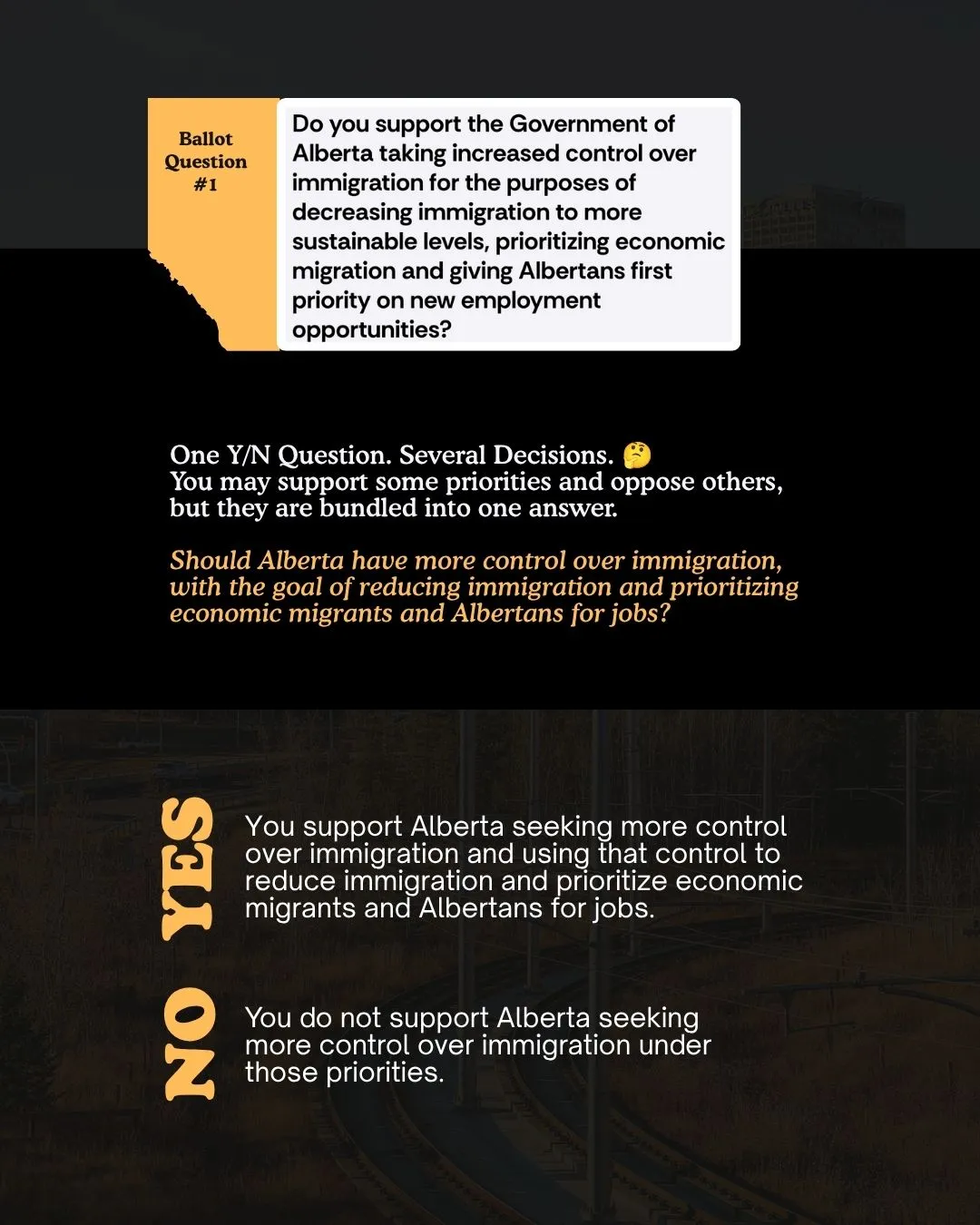
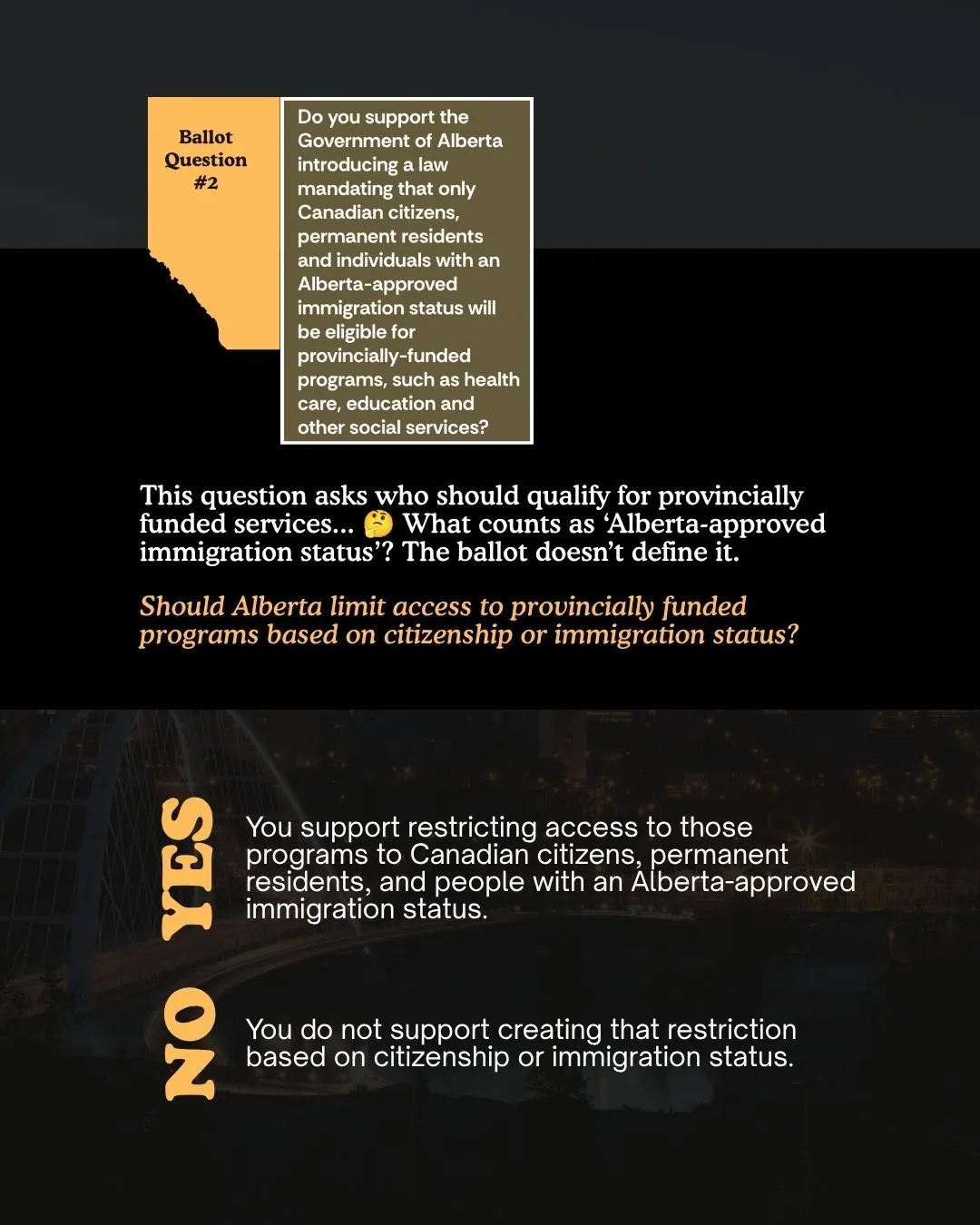
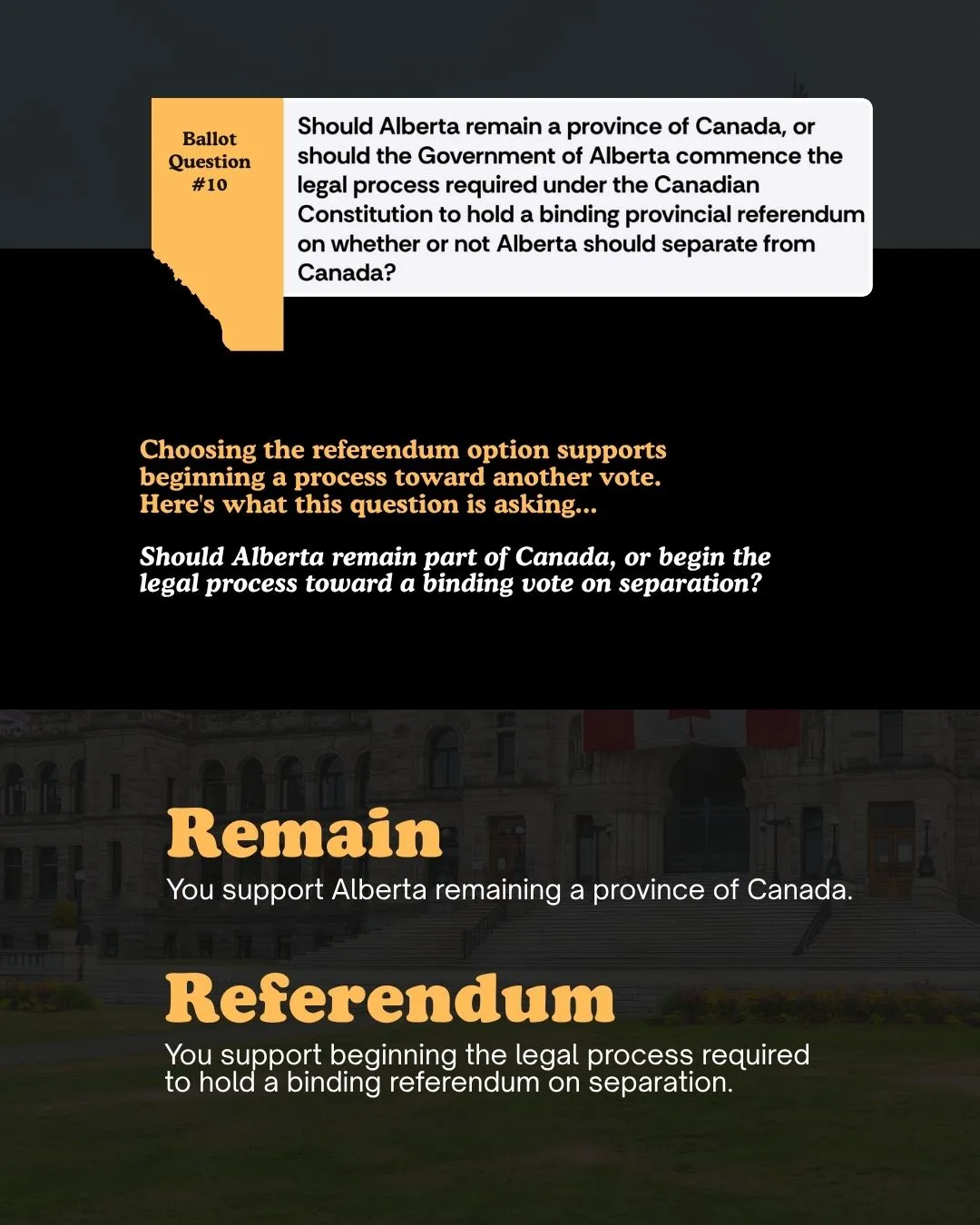
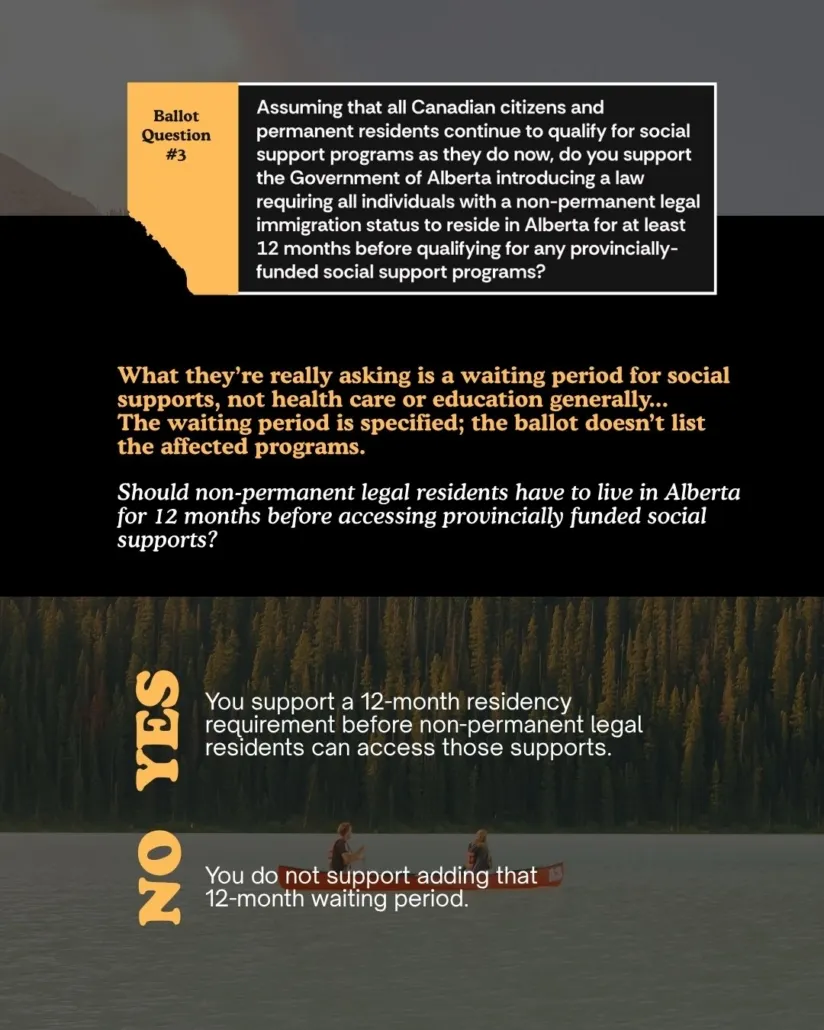
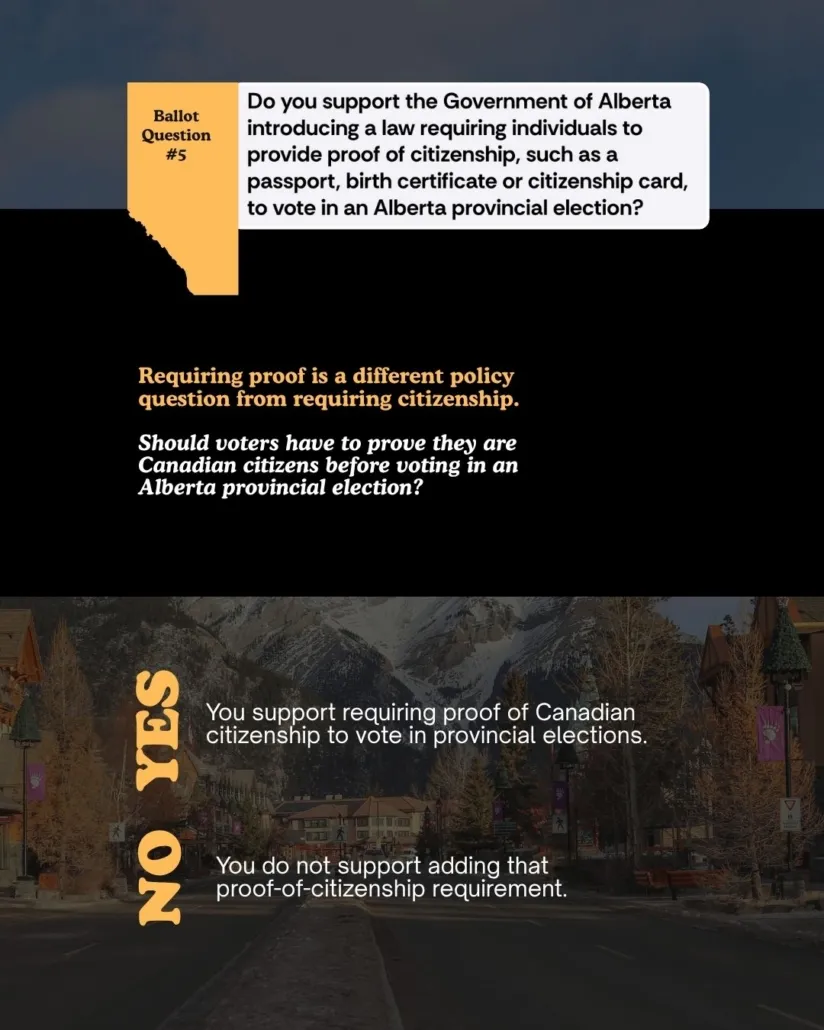
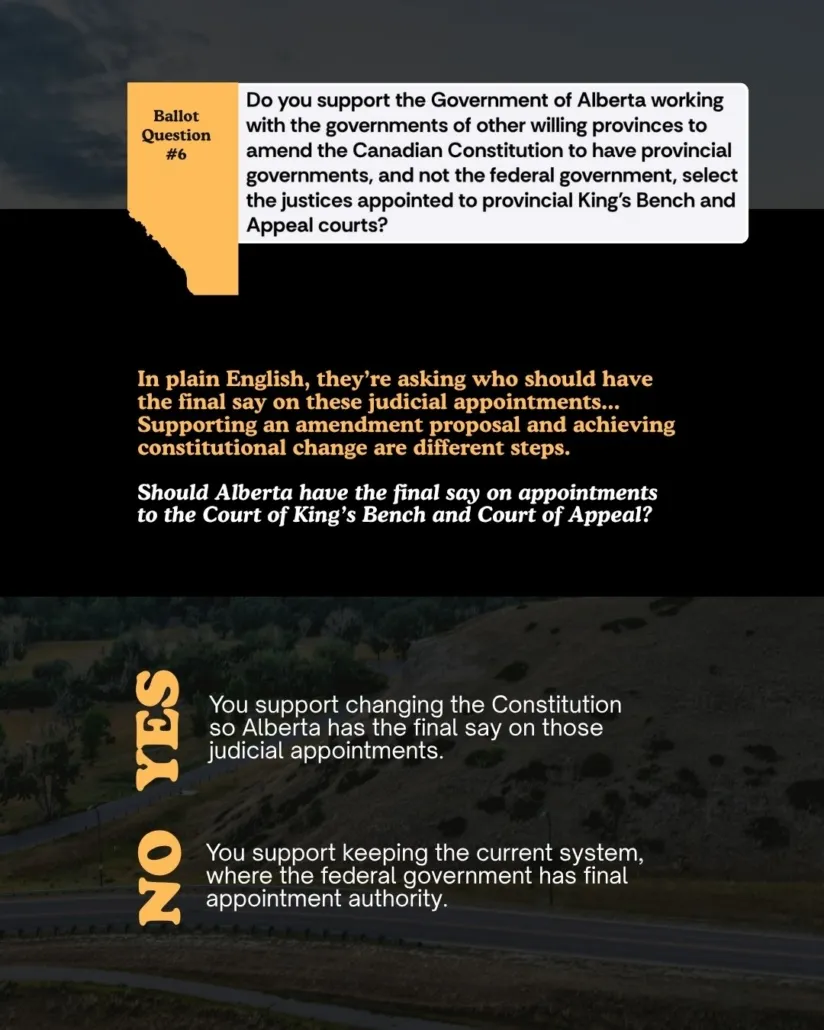
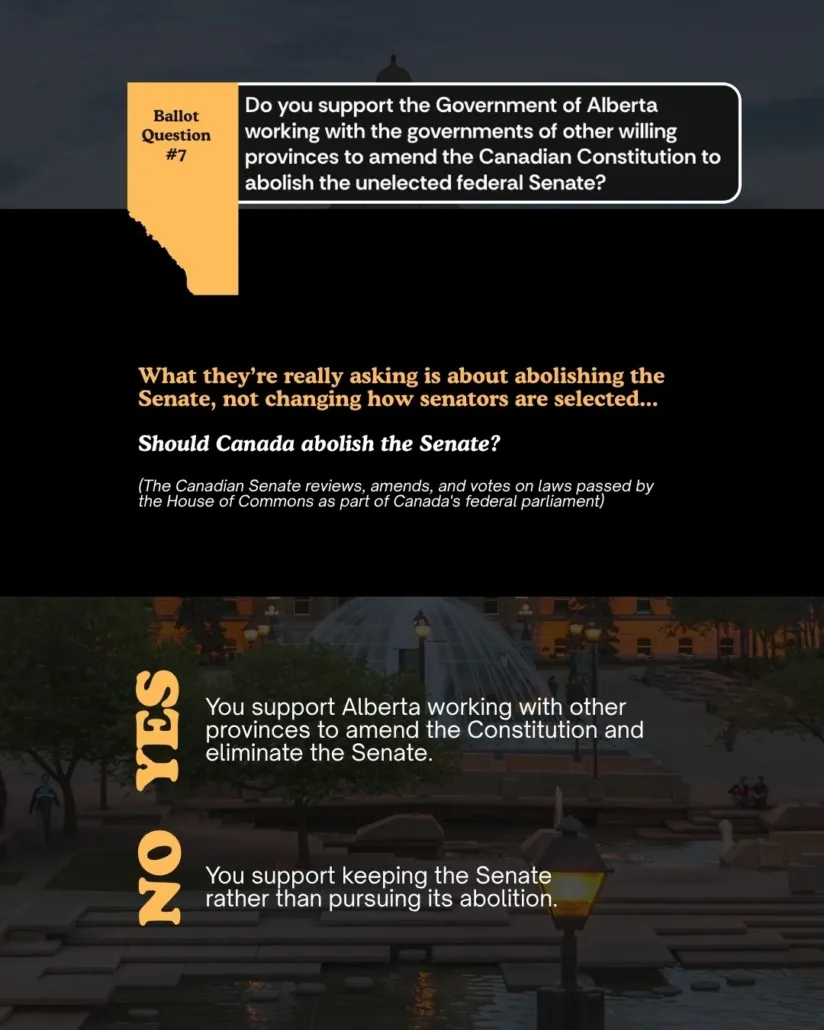
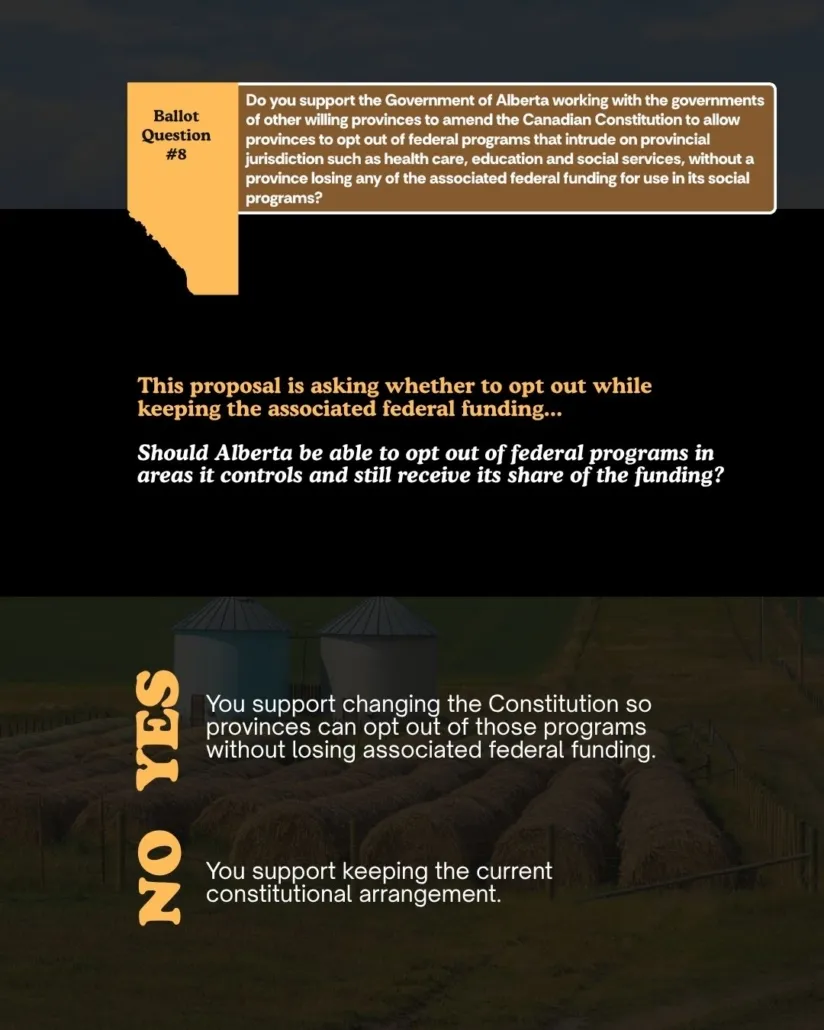
Questions 1-9 are yes or no questions, while Question 10 asks voters to choose between two options. They cover everything from immigration and public services to constitutional reform and Alberta’s future in Canada. Some are relatively straightforward. Others involve complicated constitutional processes or combine multiple policy ideas into a single question.
Not only do the questions involve complicated topics, but they may also be interpreted differently depending on how you read them. With this said, it’s worth taking the time to understand what the questions are actually asking and looking into the facts associated with each before you cast your vote.
As someone who lives and works in Calgary, and helps people make Calgary and Southern Alberta home – I wanted to understand what I was actually being asked to vote on and what these proposals could mean for our communities.
So I started digging into the questions, the facts behind the claims, and the broader context.
Explore the Questions…
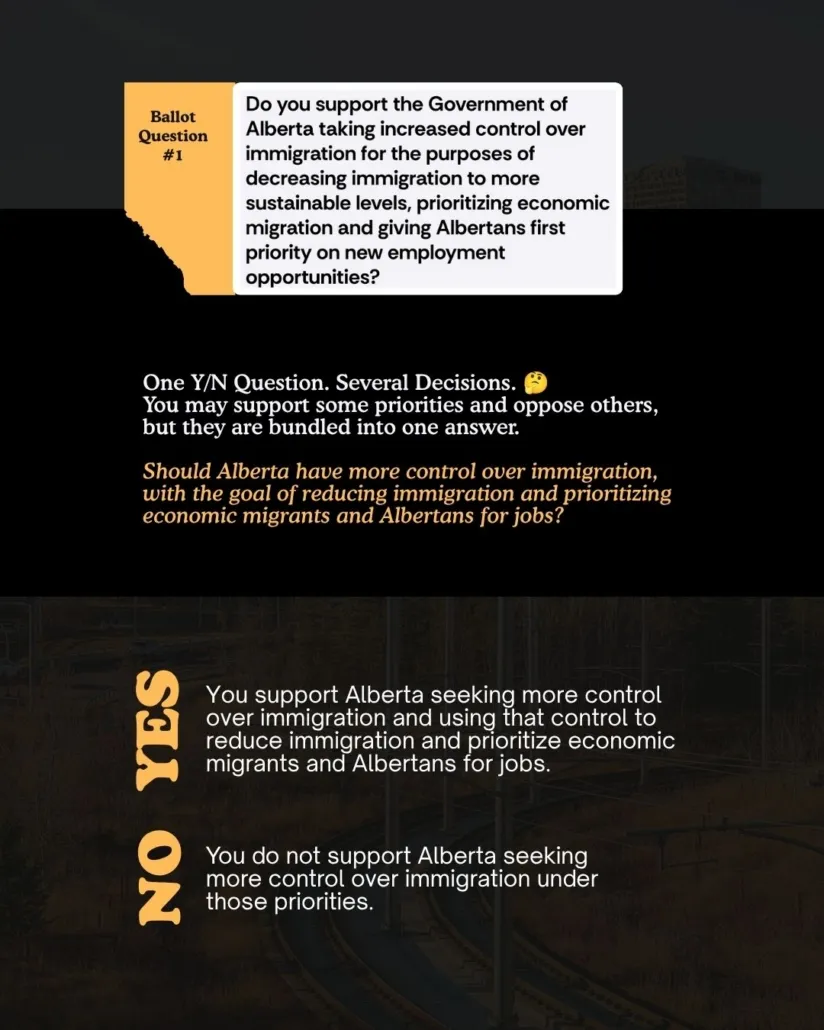
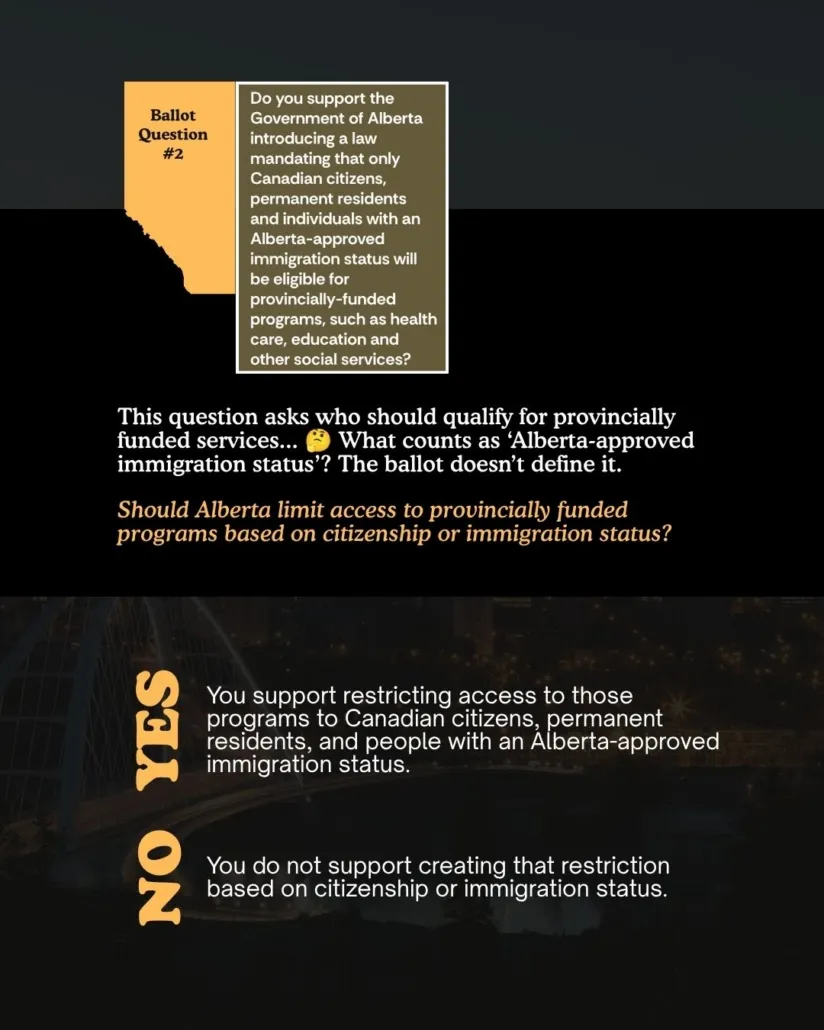
Questions 1-5:
Immigration, access to provincially funded services, and proof of citizenship for voting.
Questions 6-9:
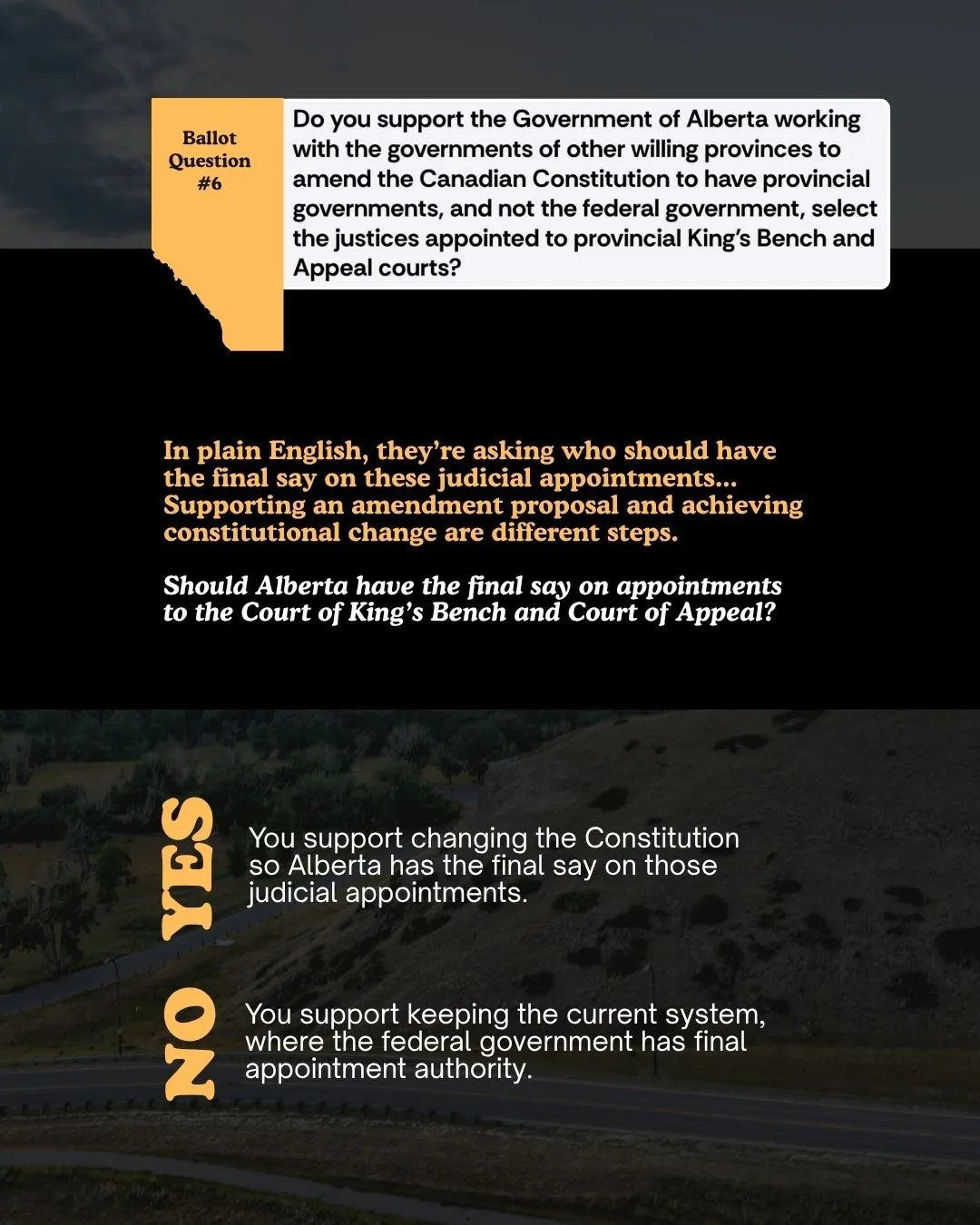
Proposed constitutional changes involving courts, the Senate, federal programs, and provincial powers.
Question 10:
Remaining in Canada or beginning the legal process toward a future binding separation referendum.



Below are the resources I found useful, along with practical information to help you prepare to vote:

A good starting point for anyone trying to make sense of all 10 referendum questions. This guide walks through each question in plain language, with additional context, fact-checks, and sources you can explore for yourself.
It pulls information from additional publications, including...
-
- Statistics Canada | Canada’s population estimates: Age and gender
- Statistics Canada | Population estimates, quarterly (Table 17-10-0009-01)
- Government of Alberta| Alberta Population Projections
- RBC Economics | Alberta Budget 2026: Lower Resource Royalties Take a Heavy Toll
- Government of Alberta | Budget 2026: focused on what matters
- ATB Financial | Youth Unemployment in Alberta
- Statistics Canada | Labour Force Survey
- Statistics Canada | Estimates of the components of international migration, quarterly (Table 17-10-0121-01)
- Government of Canada | Immigration, Refugees and Citizenship Canada: Supplementary Information for the 2025–2027 Immigration Levels Plan
- Elections Alberta | Administrative Penalties
- CBC News | Alberta driver’s licence, identification card changes and citizenship

Another question-by-question look at Alberta’s referendum, this time from a Calgary business and policy perspective. The Calgary Chamber walks through all 10 questions and provides context on what each proposal could mean.
Sources and further reading linked in the article include...
- Government of Alberta | Order in Council 160/2026: Separation Question
- Government of Alberta | Order in Council 110/2026: Immigration Questions
- Government of Alberta | Order in Council 109/2026: Constitutional Questions
- Department of Justice Canada | The Constitution Acts, 1867 to 1982
- Calgary Chamber | Lessons from Quebec: How Separatism Impacted the Economy and Business Community
- Calgary Chamber | Following the Money: Equalization and Alberta Separatism
- Calgary Chamber | Lessons from Brexit: The Economic Risks of Using Referendums to Send a Message
- Calgary Chamber | Alberta Separatism: Economic and Business Perspectives

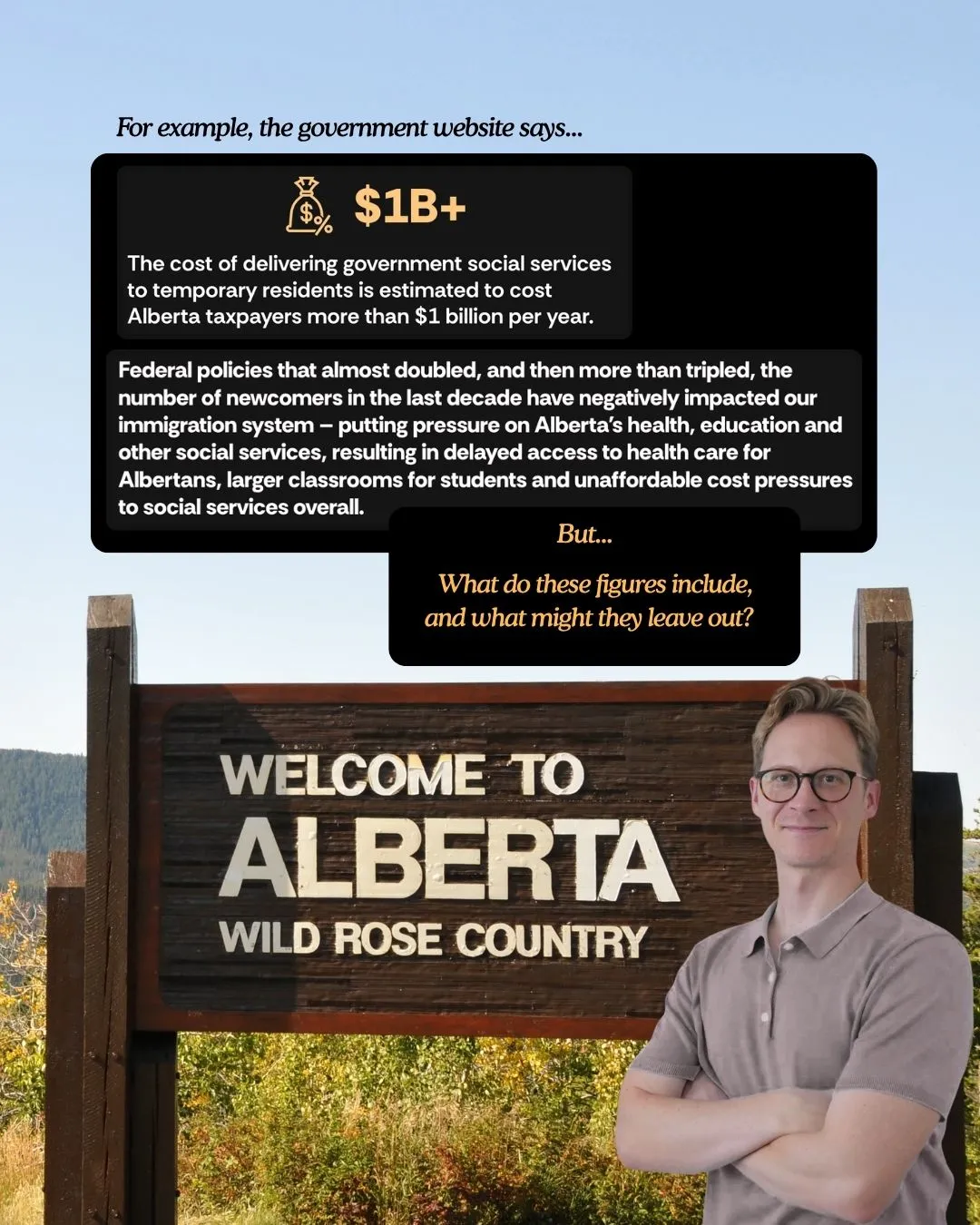
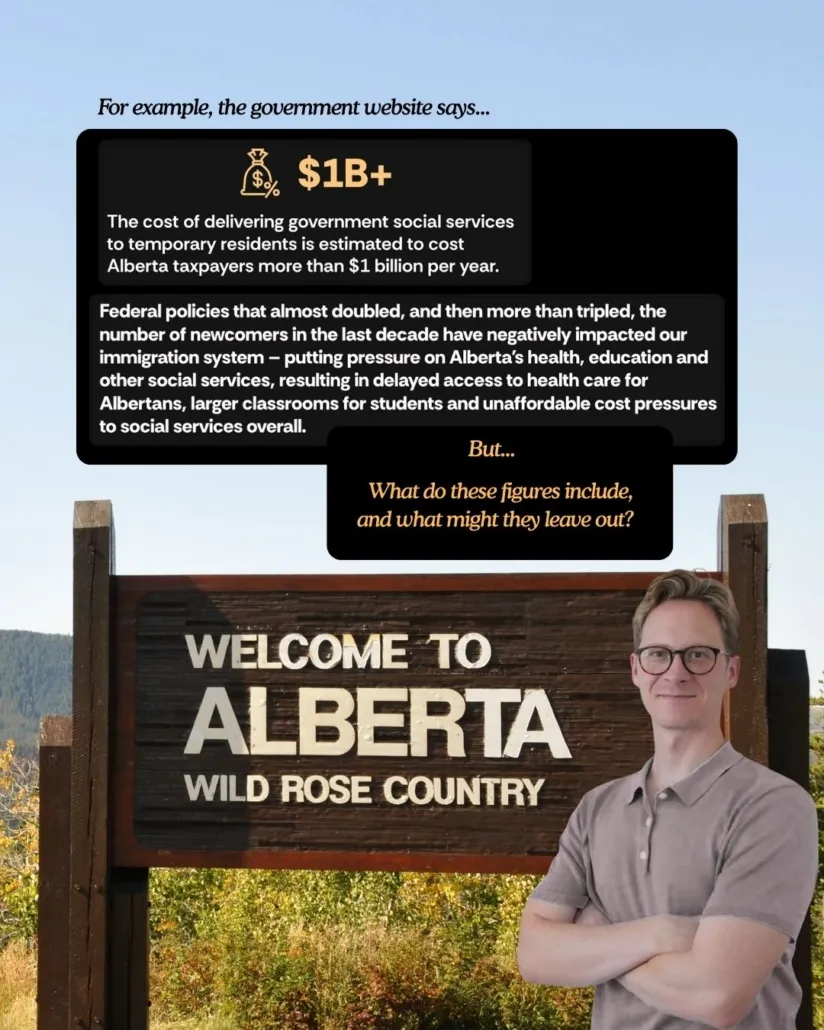
The Alberta government says temporary residents cost taxpayers more in services than they contribute in taxes. This article takes a closer look at that claim. It digs into how the calculation was made, what’s being counted, what may be missing, and the data behind the numbers.
Sources are linked and include...
- Government of Alberta | 2026 Alberta Referendum
- Statistics Canada | Population estimates, quarterly: Table 17-10-0009-01
- Canadian Institute for Health Information (CIHI) | National Health Expenditure Trends
- Government of Alberta | Schools Now
- Government of Alberta | Alberta Budget and Fiscal Plan / Fiscal Documents
- Statistics Canada | The Fiscal Arrangements Process at Statistics Canada
- Government of Alberta | Taxes and Levies Overview
- ATB Financial | Alberta Provincial Budget 2025
- Global Affairs Canada | Economic Impact of International Students in Canada
- Canadian Museum for Human Rights | The Chinese Head Tax and the Chinese Exclusion Act
- Canadian Association of University Teachers (CAUT) | Impact of Alberta Post-Secondary Cuts Felt Across the Province
- Research Co. | Fewer Than 1/4 of Voters in Alberta Side with Separation
- Global News | Immigrant Groups Say Racism Rising in Alberta as Referendum Looms
- Our Alberta Advantage | Immigrants build the Alberta Advantage
- CBC News | Alberta budget day 2026: $9.4-billion deficit
- CBC News | Alberta budget improves to a $2-billion surplus
- CBC News | U of C reports $11 million revenue hit after international student enrolment drops
- CTV News Calgary | ‘A clear crackdown on immigrants’: Critics push back on Smith’s provincewide address
- The Canadian Press | Alberta launches website pushing referendum proposals on immigration, Constitution

This one takes a deeper dive into the question: “Is immigration actually driving Alberta’s health-care wait times?”
It looks at wait times, health-system capacity, immigration and Canada’s health-care workforce using data from sources including the Fraser Institute, OECD, Statistics Canada and CIHI.
Referenced sources are...
- Fraser Institute | Waiting Your Turn: Wait Times for Health Care in Canada
- OECD | Health at a Glance 2025: Canada
- Statistics Canada | Workforce renewal in health occupations
- Statistics Canada | Navigating health care: Regular health care provider access among recent immigrants, established immigrants and non-immigrants
- IRCC / Government of Canada | Health-care immigration and Express Entry data
- Canadian Institute for Health Information (CIHI) | Health System Context Series: Alberta
- Canadian Medical Association | Family-doctor access

One of the referendum questions asks whether Alberta should work with other provinces to change how judges are appointed to provincial superior courts.
This article takes a closer look at what that proposal would mean and the constitutional issues involved.
Reporting draws on interviews with...
- Justice Minister Mickey Amery
- Justice Studies Professor Doug King
- Retired Judge Adèle Kent
- Former Justice Minister Kathleen Ganley
- Constitutional Law Professor Howard Kislowicz
With responses from provincial governments, Alberta Courts figures, and Section 96 of the Constitution Act, 1867.

This article examines the competing arguments surrounding the question of, “Would Alberta be better off economically as an independent country?”
It looks at supporters’ projected savings alongside economists’ concerns about transition costs, debt, trade and investment uncertainty, adding context to the referendum’s separation question.
Sources linked in the article include...
- University of Calgary, School of Public Policy | Economic and Fiscal Implications of Alberta Separation: Overview Report
- Canada West Foundation | Alberta in Confederation: The Economic, Trade and Constitutional Realities of Separation
- Alberta Prosperity Project | The Value of Freedom: A Draft Fully Costed Fiscal Plan for an Independent Alberta
- BBC News | Brexit Cost 6% of UK Economy, Bank of England Company Data Suggests


Now that you’re informed, get ready to vote!
When is voting?
Vote in advance: Tuesday, October 13 to Saturday, October 17.
Vote at any advance voting location within your electoral division.
Referendum Election Day: Monday, October 19, 2026
Vote at your assigned voting location from 9:00 am–8:00 pm.
Vote by special ballot:
Applications are now closed. If you already requested a special ballot, Elections Alberta must receive your completed ballot by 5:00 pm on October 16.
Where do I vote?
Can I vote?
Know someone who wants to understand Alberta’s referendum before voting?
Share this guide with a friend, family member or neighbour.

Grady Krebs is a Calgary REALTOR® who lives in Sunalta and helps people buy and sell homes across the city.
His blog shares local information and resources for people who call Calgary home.






CONTACT
102, 279 Midpark Way
SE Calgary, AB
T2X 1M2
Grady Krebs
403.830.2364
gradykrebs@gmail.com
@GradyKrebsRealtor
